

Understanding Types and Grades of Plywood
- Kerala Plywood

- Feb 21
- 4 min read
Updated: Apr 4
Plywood is a versatile engineered wood product widely used in construction, furniture making, and interior design. Its layered structure provides strength, stability, and resistance to warping, making it a preferred choice for many applications. Understanding the various types and grades of plywood sheets is essential for selecting the right material for specific projects. This article explores the classifications, manufacturing processes, and practical considerations related to plywood, offering valuable insights for builders, contractors, and furniture manufacturers across India.
Types of Plywood Sheets
Plywood sheets are categorized based on their composition, adhesive type, and intended use. The primary types include softwood plywood, hardwood plywood, tropical plywood, flexible plywood, and marine plywood. Each type serves distinct purposes and exhibits unique properties.
Softwood Plywood: Typically made from coniferous trees such as pine, fir, or spruce, softwood plywood is commonly used in construction for sheathing, roofing, and flooring. It offers good strength and is relatively affordable.
Hardwood Plywood: Manufactured from deciduous trees like birch, oak, or maple, hardwood plywood is favored in furniture making and cabinetry due to its attractive grain and durability.
Tropical Plywood: Sourced from mixed hardwood species found in tropical regions, this plywood is known for its strength and resistance to moisture. It is often used in heavy-duty construction and industrial applications.
Flexible Plywood: Designed to bend without breaking, flexible plywood is ideal for curved surfaces and innovative furniture designs.
Marine Plywood: Constructed with waterproof adhesive and high-quality veneers, marine plywood is resistant to water and fungal attacks, making it suitable for boat building and outdoor applications.
Each type of plywood is further classified by grades that indicate the quality of the veneer faces and core. These grades help determine the suitability of plywood for visible or structural use.

Understanding Plywood Grades
Plywood grades are assigned based on the appearance and quality of the face and back veneers. The grading system helps in selecting plywood that meets specific aesthetic and structural requirements. The most common grading system uses letters from A to D:
Grade A: Smooth, sanded surface with minimal defects. Suitable for furniture and cabinetry where appearance is critical.
Grade B: Solid surface with some repairs and minor defects. Often used where the plywood will be painted or covered.
Grade C: Contains knots and patches, suitable for structural applications where appearance is not important.
Grade D: Lower quality with visible defects and knots. Used primarily for subflooring or hidden structural components.
In addition to face grades, plywood is also classified by the type of adhesive used, which affects its durability and resistance to moisture:
Interior Grade: Uses adhesives that are not waterproof, suitable for dry environments.
Exterior Grade: Employs waterproof adhesives, making it suitable for outdoor use and humid conditions.
Marine Grade: Highest quality adhesive and veneers, designed to withstand prolonged exposure to water.
Selecting the appropriate grade and type of plywood is crucial for ensuring longevity and performance in the intended application.

Where is Plywood Manufactured?
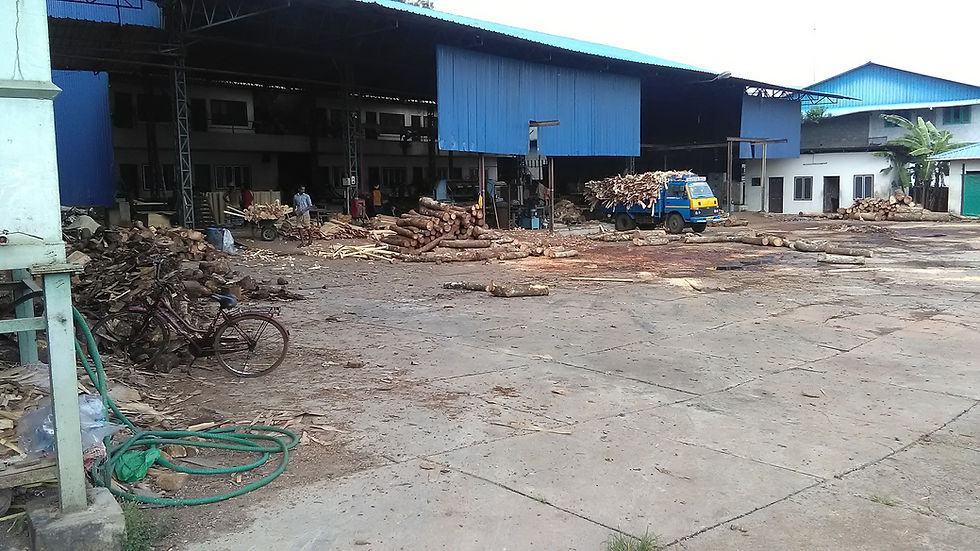
Plywood manufacturing is a complex process involving the selection of raw timber, peeling or slicing veneers, drying, gluing, and pressing layers under heat and pressure. India hosts several plywood manufacturing units, with South India being a significant hub due to the availability of quality timber and skilled labor.
The state of Kerala, in particular, is renowned for its plywood production. The region's abundant forest resources and advanced manufacturing facilities contribute to the production of high-quality plywood sheets. Many manufacturers in Kerala focus on producing customized plywood solutions to meet diverse customer needs.
For those seeking reliable suppliers, a reputable plywood factory in Kerala offers a wide range of plywood products, combining traditional craftsmanship with modern technology. This ensures consistent quality and adherence to industry standards.

Practical Tips for Selecting Plywood
When choosing plywood for construction or furniture projects, several factors must be considered to ensure optimal results:
Determine the Application: Identify whether the plywood will be used for structural support, decorative surfaces, or outdoor exposure. This will guide the choice of type and grade.
Check Moisture Resistance: For areas prone to humidity or water contact, select exterior or marine-grade plywood to prevent delamination and decay.
Consider Thickness and Number of Plies: Thicker plywood with more layers generally offers greater strength and stability. Common thicknesses range from 6mm to 25mm.
Inspect for Defects: Examine plywood sheets for knots, splits, or voids, especially if the surface will be visible.
Verify Certification and Standards: Ensure the plywood complies with relevant Indian standards (IS 303) or international certifications for quality assurance.
Source from Trusted Manufacturers: Purchasing from established suppliers, such as a plywood factory in Kerala, guarantees access to quality products and technical support.
By adhering to these guidelines, professionals can select plywood that meets both functional and aesthetic requirements, reducing the risk of project failures.
Advancements in Plywood Technology
The plywood industry has witnessed significant technological advancements aimed at improving product quality, environmental sustainability, and customization capabilities.
Eco-Friendly Adhesives: New formulations reduce formaldehyde emissions, making plywood safer for indoor use.
Enhanced Veneer Treatments: Treatments such as heat and chemical processing improve resistance to pests and moisture.
Digital Cutting and Finishing: Precision machinery allows for customized plywood sizes and intricate designs, catering to modern architectural demands.
Composite Plywood: Integration of materials like aluminum or plastic layers enhances durability and weather resistance.
These innovations enable manufacturers to offer plywood solutions tailored to evolving market needs, supporting the growth of businesses like Kerala Plywood as a top plywood manufacturer in South India.
Understanding the types and grades of plywood sheets is fundamental for selecting the right material for any construction or furniture project. By considering the specific requirements of the application, environmental conditions, and quality standards, professionals can make informed decisions that ensure durability, aesthetics, and cost-effectiveness. Access to reliable manufacturers, such as a plywood factory in Kerala, further facilitates the procurement of high-quality plywood tailored to diverse needs.


Comments